Access restrictions and narrow lanes guide for Harringay removals
Posted on 08/07/2026

If you are moving in Harringay, the biggest problem is not always the lifting or the packing. Often it is the street itself. Tight turns, parked cars, low kerbs, controlled parking, awkward building entrances and the odd road that feels barely wide enough for two people to pass can turn an ordinary move into a slow, stressful day. This Access restrictions and narrow lanes guide for Harringay removals is here to help you plan properly, avoid last-minute surprises and make the move feel manageable rather than messy.
Whether you are moving from a flat near Green Lanes, a maisonette off Hornsey Road or a family home tucked into one of Harringay's narrower residential streets, the same rule applies: know the access before the van arrives. Do that well and everything gets easier. Do it badly, and you can end up with delays, extra labour, frustrated neighbours and a move that drags on far longer than it should. Let's make sure that does not happen.
Why access restrictions and narrow lanes matter
Harringay is a place with real character. That character is part of the appeal, of course, but it can make removals more complicated than a simple house-to-house job on a wide suburban road. Many streets are lined with parked vehicles, trees, railings, basement steps or narrow pavements. Some buildings have shared entrances. Others sit behind short service roads or in terraces where the van cannot simply pull up and unload at the front door.
In practical terms, access restrictions affect time, cost and safety. A van may need to park further away than expected. A team may need to carry furniture a longer distance. Lifts may be small, stairwells may be tight, and there may be no clean place to stop for more than a moment. That means planning is not a nice-to-have; it is the move.
If you have ever watched movers edge a wardrobe around a corner that seems about two inches too narrow, you will know the feeling. Slow, careful, slightly nerve-racking. And yet perfectly manageable when planned well. That is the whole point here.
For anyone comparing service options, this is also where a proper local removal specialist stands out. A well-prepared team will ask about access before moving day, which is one reason people often start by looking at removals in Harringay and the wider removal services overview rather than choosing a van at the last minute.
How access restrictions and narrow lanes guide for Harringay removals works
Think of the process in three layers: street access, vehicle access and building access. If all three work smoothly, the move usually does too. If one layer is awkward, the whole operation slows down.
1) Street access
This is the first question: can a van safely reach the property and stop nearby? In Harringay, the answer is often "yes, but not always right outside." Narrow roads, seasonal parking pressure and bends can make it difficult for larger vehicles to position neatly. Even when a van can enter the street, loading may still need to happen from a different spot to avoid blocking traffic or obstructing neighbours.
2) Vehicle access
Next comes the van itself. Some jobs are better suited to a smaller vehicle or a flexible crew that can make multiple trips. Others need a larger removal van, but only if there is enough clearance to manoeuvre without scraping mirrors or causing avoidable delays. When access is tight, the right vehicle size matters more than many people realise.
3) Building access
Finally, there is the internal route: hallways, stairwells, lifts, landings, front doors, side gates and communal areas. A flat move can look straightforward on paper and still be tricky in practice. For example, a sofa may fit through the front door only if it is angled just so. A fridge might need to be removed before an old washing machine can come out. Tiny details. Big impact.
That is why moves in the area often benefit from planning support linked to house removals in Harringay or, for smaller jobs, man with van Harringay. The service itself is only part of the answer; access planning is what makes it work.
Key benefits and practical advantages
Good access planning does more than reduce stress. It can change the whole tone of moving day. Here are the main advantages.
- Fewer delays: if the crew already knows where to park and how far items must be carried, the work starts faster.
- Lower risk of damage: fewer awkward turns, fewer rushed lifts and fewer knocks on walls, banisters or doorframes.
- Better cost control: clear access information helps avoid unnecessary overtime or surprise extra labour.
- Safer handling: narrow lanes and staircases demand more care, especially for heavy or fragile items.
- Less neighbour friction: careful stopping positions and quicker loading reduce disruption on busy streets.
- More accurate quotes: the more honest you are about access, the more realistic the estimate will be.
Truth be told, a lot of moving stress comes from uncertainty. Not knowing whether the van can park. Not knowing if the chest of drawers will fit through the landing. Not knowing whether you need a second pair of hands. Good access planning removes a lot of that fog.
It also helps with specialist moves. If you are handling awkward items, you may want to look at furniture removals in Harringay or, where a stair-heavy property is involved, flat removals in Harringay.
Who this is for and when it makes sense
This guide is for anyone moving in Harringay, but some people need it more than others.
- Flat movers: especially if the property is on an upper floor, has a narrow stairwell or shares access with other residents.
- Families in terrace homes: front rooms, bay windows and tight hallways often mean awkward furniture turns.
- Students and young professionals: smaller moves can still become frustrating if parking is limited or the van is too large for the street.
- Office movers: business moves often have timing pressure and building rules, which makes access planning essential.
- People with large or fragile items: think wardrobes, pianos, mirrors, artwork, exercise equipment and antique pieces.
If your move involves a smaller load and a tight street, a flexible vehicle option may make sense. If you want a broader overview first, have a look at man and van Harringay or man and a van Harringay. For larger, more structured moves, the answer is usually a full team and a properly planned route.
You will also find this useful if you are moving at a tricky time of day. Evening traffic, school-run congestion and commuter parking patterns can make a narrow lane feel even narrower. Not dramatic, just real.
Step-by-step guidance
Here is the cleanest way to prepare for a move in a restricted or narrow-access location.
- Walk the route from van point to front door. Do it slowly. Note bends, steps, gates, bollards, low branches, basement areas and anything that might obstruct the carry.
- Measure key spaces. Measure door widths, hallways, stair turns and any item that is especially bulky. A tape measure is boring until it saves the day.
- Check parking reality, not parking hope. Assume the nearest legal stop may not be right outside the property. Work with the actual street layout, not the ideal one.
- Tell the removals team early. Share the access details when you book. Mention tight roads, restricted stopping, controlled parking, intercoms, no lift, basement levels and any loading time limits.
- Plan for carrying distance. If the van must stop further away, your packing approach should reflect that. Heavier boxes might need to be rebalanced or split up.
- Prepare the building. Clear communal halls, protect flooring if needed and make sure keys, entry codes or porter arrangements are ready.
- Stage items near the exit. If safe to do so, keep packed boxes grouped by room so the crew can load efficiently.
- Allow a buffer. Tight lanes mean slower work. Even well-run moves can take a bit longer than a simple suburban job.
If the move is time-sensitive, it can be useful to compare a standard booking with same day removals in Harringay. That said, same-day work and narrow access do not always mix neatly, so the earlier you plan, the better.
Expert tips for better results
Here are the practical tips that usually make the difference between a smooth move and a slightly chaotic one.
Choose the right vehicle size
Biggest is not always best. On a narrow lane, a slightly smaller van can be easier to position and faster to load. If access is awkward, flexibility often beats brute force.
Prioritise the first load
Ask yourself: what should come off the van first? Essentials, beds, kitchen basics and fragile items often need to be loaded in a way that makes unloading logical, not random. It sounds obvious, but on moving day obvious things disappear fast.
Protect the route inside the building
Door frames, corners and painted walls take the hardest knocks. Good teams use covers, blankets and careful handling, but you can help by clearing the path before they arrive.
Use clear labelling
Label boxes by room and priority. In a narrow-access move, anything that reduces search time is a win. One box labelled "kettle, mugs, tea" can save twenty minutes of rummaging. And yes, that first cup matters more than we like to admit.
Be honest about limitations
If a wardrobe only fits through the stairwell when dismantled, say so. If there is no lift, say so. If the parking bay is always full by 8 a.m., say so. Good communication is not over-sharing. It is useful information.
For planning support and local know-how, many customers also review insurance and safety information and the broader services overview before choosing how to proceed.
Common mistakes to avoid
Most access-related issues are avoidable. Most. Not all, but most.
- Booking without checking street width: a van that looks fine on a map may be awkward in person.
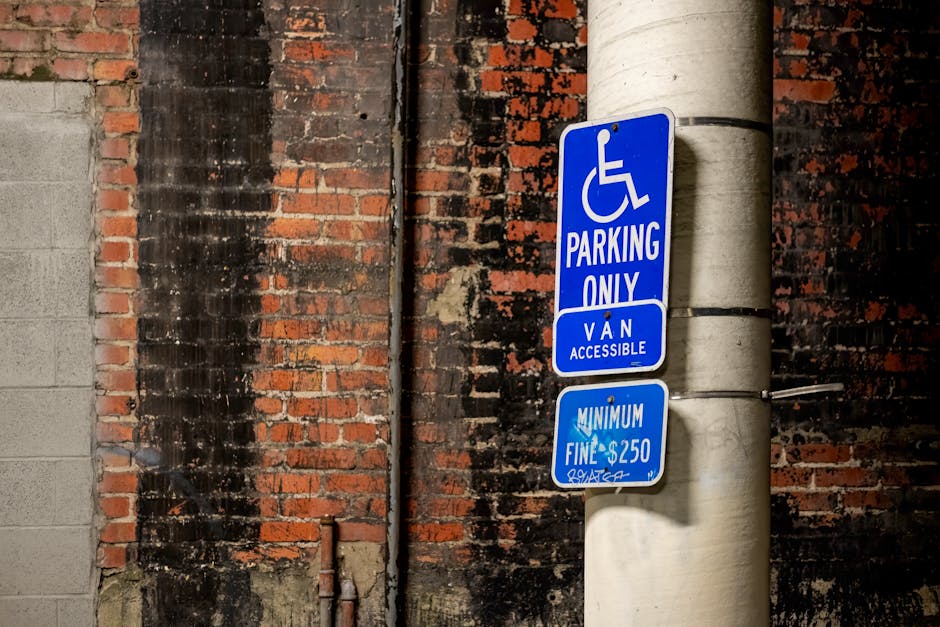
- Assuming parking will be available: in Harringay, that is a risky assumption on many roads.
- Underestimating carrying distance: if the van cannot stop outside, every item takes longer to move.
- Ignoring internal obstacles: tight stairs, low ceilings and door furniture can be more restrictive than the road itself.
- Leaving packing too late: if access is difficult, rushed packing makes the whole day harder.
- Not mentioning bulky items: sofas, pianos and wardrobe pieces need advance planning.
- Choosing price alone: the cheapest quote can become expensive if access delays are not factored in.
One recurring problem is people hearing "we'll manage" and assuming that means "no issue." Sometimes it does. Sometimes it means "we can do it, but we need the facts first." Small difference, big consequence.
If you want to understand how quotes can change when access is awkward, it is worth reading hidden costs to avoid in Harringay removal quotes and common problems with Harringay man and van bookings.
Tools, resources and recommendations
You do not need a toolbox full of fancy kit. A few simple things make a proper difference.
- Tape measure: for doorways, furniture and stair turns.
- Floor plan or rough sketch: especially useful for flats and shared buildings.
- Phone camera: take pictures of tight entrances, parking spots and tricky stairs so you can show the removals team.
- Labels and marker pens: save time and confusion later.
- Protective wrapping: blankets, covers and proper packing materials help with narrow hallways and sharp corners.
- Spare access notes: keep door codes, contact names and loading restrictions in one place.
If you are still deciding what type of move suits your situation, it can help to review packing and boxes in Harringay alongside storage in Harringay if you need to stage items before or after the move.
For people moving from smaller homes or student lets, the right level of support can be surprisingly simple. Student removals in Harringay often work well for compact moves where access is tight but the load is lighter. Less fuss. Fewer surprises.
Law, compliance and best practice
Access planning is not just a convenience issue. It also touches on safety, parking rules and general duty of care. You do not need to know every detail of local regulations to make a sensible move, but you should treat restrictions seriously.
Best practice in the UK removals sector usually includes the following:
- checking whether parking or loading restrictions may apply on the day
- making sure the vehicle can stop legally and safely
- avoiding obstruction of pavements, driveways and emergency access routes
- protecting property and common areas during carrying
- using appropriate lifting techniques and equipment
- communicating any health and safety concerns in advance
This is where reputable companies help. They should ask the right questions, carry out a realistic assessment and avoid promising something that sounds easy but is not. That is part of sound practice, not over-caution.
You can also review company standards and policies such as health and safety policy, terms and conditions, accessibility statement and privacy policy if you want a clearer sense of how a provider handles trust and operational detail.
That kind of reading may not be thrilling, granted. But it tells you a lot about how seriously a business takes the boring but vital parts of a move. And boring, in removals, is often beautiful.
Options, methods, or comparison table
Different access situations call for different moving methods. Here is a simple comparison.
| Method | Best for | Strengths | Limitations |
|---|---|---|---|
| Small van / flexible load | Narrow lanes, quick flat moves, limited parking | Easier access, easier manoeuvring, lower road disruption | May need more trips if the volume is large |
| Standard removals van | Typical house or flat moves with manageable access | Good balance of capacity and efficiency | Can struggle on the tightest streets |
| Full removal team with planning | Large homes, awkward items, shared entrances, fragile goods | Better protection, better coordination, less stress | Usually needs more preparation and may cost more |
| Storage-first approach | Moves with time gaps, renovation delays or blocked access | Reduces pressure on moving day | Needs extra coordination and temporary storage planning |
There is no universally best option. The right choice depends on the street, the building and the amount you are moving. A flat on a tight road near Green Lanes may need a very different plan from a house with a small front forecourt. If you are unsure, a removal van Harringay option can be sensible for certain jobs, while office removals in Harringay require a different kind of scheduling altogether.
Case study or real-world example
A common Harringay scenario goes like this. A couple moves from a first-floor flat off a narrow residential road. The property is easy to reach on foot, but parking is tight and there is no lift. They initially think a large van will be fine because the journey itself is short.
When the access is checked properly, a few practical issues come up:
- the street is too narrow for comfortable long-term parking
- the front entrance has a shared path with limited turning space
- the staircase bends awkwardly at the top landing
- the sofa will probably need to be carried in a different orientation
The solution is not dramatic. The team chooses a better stopping position a short walk away, prepares protective wrapping, loads the heaviest items first and keeps fragile boxes separate. The move takes longer than a no-access job would have, but it stays controlled and damage-free. No heroics. Just sensible planning.
That is usually how the best moves work. Nothing flashy. Just decent preparation and calm execution.
For people buying or renting in the area, it can help to read more local context too, such as buying homes in Harringay, making wise property choices in Harringay and the broader resident's guide to life in Harringay. Knowing the streets before moving day really does help.
Practical checklist
Use this checklist before moving day. It is simple, but it catches most access problems early.
- Have you walked the route from van to door?
- Have you checked where the vehicle can legally stop?
- Have you measured the main doorways, stair turns and large furniture pieces?
- Have you told the removals team about stairs, lifts, intercoms or shared entrances?
- Have you mentioned any narrow lanes, low branches or awkward bends?
- Have you identified the heaviest or most fragile items?
- Have you cleared communal areas and the path to the door?
- Have you prepared keys, access codes and building contact details?
- Have you packed and labelled boxes clearly?
- Have you checked whether storage might help if timing is tight?
If you can tick most of those boxes, you are already ahead of the game. Not perfect. Just properly prepared. Which, honestly, is what matters.
Conclusion
The truth about moving in Harringay is that access often shapes the whole experience. Narrow lanes, parking pressure, shared entrances and tricky stairwells are not deal-breakers, but they do demand a smarter approach. When you plan the route, measure carefully, communicate clearly and choose the right kind of support, the move becomes much easier to manage.
That is the heart of this Access restrictions and narrow lanes guide for Harringay removals: not to make the streets sound difficult, but to help you work with them properly. Once you do that, you save time, reduce stress and protect the things you care about. Simple as that, really.
Get a free quote today and see how much you can save.
And if you are still at the planning stage, take a breath. The messy part usually looks bigger before the details are sorted. Once they are, the move starts to feel very doable.