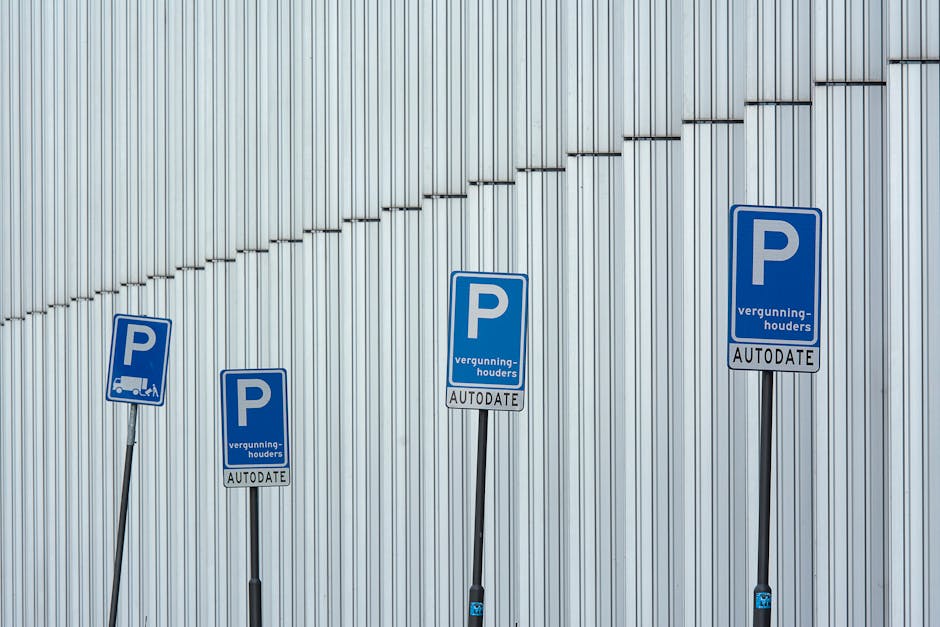
Haringey Council parking rules for moving vans and permits
Posted on 01/08/2026
If you are moving in or out of Haringey, parking can become the part of the day that causes the most stress. The van is booked, the boxes are packed, and then you realise the street is tight, the bay is controlled, or the driver may need a permit just to stop long enough to unload. That is where understanding Haringey Council parking rules for moving vans and permits really pays off. It can save time, prevent penalties, and stop a calm move turning into a rushed one.
In this guide, we will break the topic down in plain English: what the rules usually mean in practice, how permits and loading considerations tend to work, what to check before move day, and how to avoid the common mistakes that catch people out. If you are planning a flat move, a house move, or a same-day booking, the details matter more than you might think.
Quick takeaway: the safest approach is to plan parking before the van arrives, confirm whether loading is allowed where you need it, and build in a buffer for delays, access restrictions, and permit processing.
For broader moving support in the area, you may also find it useful to look at removals in Harringay and the practical advice in the access restrictions and narrow lanes guide.
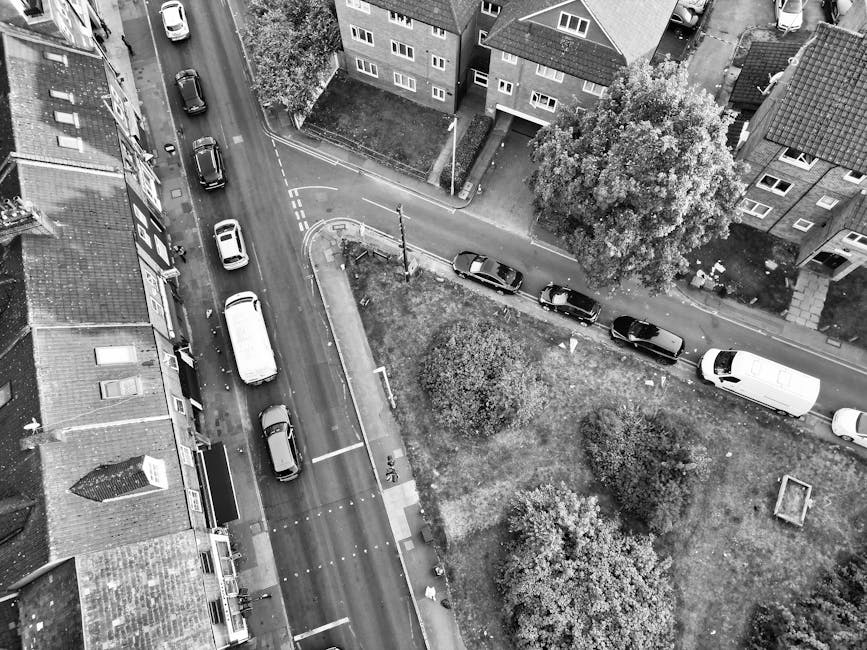
Why Haringey Council parking rules for moving vans and permits Matters
Parking rules matter because a removal van is not like a family car. It is larger, slower to manoeuvre, and often needs to stop right outside the property. That means the difference between a smooth move and a frustrating one can come down to whether the vehicle is legally allowed to wait, load, or unload where you need it.
In Haringey, as in most London boroughs, roads may have controlled parking bays, resident permit areas, loading restrictions, yellow lines, time limits, or access limitations that affect where a van can stop. The exact requirements can vary street by street, and sometimes even on different sides of the same road. Let's face it, that is easy to miss when you are focused on keys, boxes, and the estate agent calling every twenty minutes.
Getting it wrong can lead to delays, parking tickets, awkward double-parking, or the van having to park further away than expected. A short walk with furniture may sound manageable until you are carrying wardrobes down a narrow stairwell in light rain. Not ideal.
Planning ahead also helps neighbours and building managers. If the van can park properly, the loading process is quicker, tidier, and less disruptive. That matters in busy residential streets around areas like Green Lanes, Hornsey Road, and the smaller side roads where space gets tight very fast.
If you are still weighing up move type and vehicle choice, a helpful next read is man and van in Haringey, especially for smaller local moves where parking flexibility can make all the difference.
How Haringey Council parking rules for moving vans and permits Works
The basic idea is simple: if a moving van needs to stop in a controlled or restricted parking location, you may need to make sure the stop is permitted, time-limited, or covered by a council arrangement. In practice, the process usually depends on the road type, the length of the stop, the size of the vehicle, and whether any special permission is needed for loading, unloading, or suspension of a bay.
Some moves can be handled with normal loading activity, but others need a parking bay suspension or another form of permission. The specific approach depends on the street layout and local restrictions. There is no one-size-fits-all answer, which is mildly annoying, but there it is.
What usually affects the answer
- Resident permit bays: these are often the first place people look to stop, but they are not automatically available for removals.
- Single or double yellow lines: loading and unloading may be allowed in some cases, but not always, and time limits can apply.
- Restricted hours: some streets are easier in the morning, others in the evening, and many become trickier during school run or commuter periods.
- Traffic-sensitive roads: busy corridors can be harder to use for loading because stopping space is limited and enforcement is more active.
- Shared buildings and estates: these often add their own rules, such as access gates, concierge requirements, or allocated loading areas.
In many cases, the question is not just "Can the van park?" but "Can it park for long enough to complete the move safely?" That distinction matters. A few minutes is one thing. An hour of loading boxes and dismantled furniture is another.
If you are moving from a flat, the challenge gets more pronounced. Stairwells, lift bookings, and the need to keep communal spaces clear all add pressure. For that sort of move, flat removals in Haringey can be a useful point of reference for the practical side of planning.
Why permits are often discussed with moving vans
People often say "permit" when they actually mean one of several different things: a parking permit, a loading bay arrangement, a bay suspension, or a temporary permission connected to the move. The wording can be confusing, and it is worth reading the parking guidance carefully before making assumptions.
In real life, movers usually want three things: legal stopping space, enough time to load efficiently, and no unpleasant surprises from enforcement. A permit or parking arrangement is there to reduce friction, not create another admin headache. It should make the move easier, not more complicated. Ideally.
Key Benefits and Practical Advantages
Sorting out parking properly brings surprisingly large benefits. It is not just about avoiding fines. It changes the rhythm of the move itself.
- Less delay: the van arrives and starts work instead of circling the block.
- Lower risk of penalties: fewer chances of tickets, warnings, or enforcement action.
- Safer handling: shorter carrying distances reduce the chance of knocks, drops, and tired backs.
- Better planning: removal teams can schedule the loading order more accurately.
- Less stress for everyone: you, the movers, neighbours, and building staff all benefit from a clearer setup.
There is also a commercial advantage. If you are comparing removal services, a company that understands parking and access in Haringey can often save you time in the long run. For example, a local removal company in Haringey that knows the streets around N4 may already anticipate bay restrictions, narrow turns, and awkward kerb space before they even arrive.
Another advantage is avoiding the domino effect. One small parking issue can delay access to the property, push back lift bookings, create tension with building management, and make the whole move feel rushed. Once that happens, the schedule can unravel pretty quickly.
Who This Is For and When It Makes Sense
This topic matters to almost anyone moving a van into Haringey, but some groups need to think about it earlier than others.
Home movers
If you are moving house or flat, parking rules can affect the entire day. This is especially true where you need the van close to the entrance, or where the property sits on a busy or narrow street. A small delay on the road often becomes a bigger delay inside the building.
Students and first-time renters
Students and young renters often use smaller vehicles or man-and-van bookings, which can feel more flexible. Still, flexiblity is not the same as freedom. A smaller van may fit places a larger lorry cannot, but it can still need proper loading access. If your move is time-sensitive, a student removals service in Haringey can be a practical option.
Families and larger households
For bigger moves, parking becomes more important because the team may need repeated trips between the property and the van. The farther the van parks, the slower everything goes. A minute saved each trip adds up fast.
Offices and business moves
Office relocations often need careful planning around staff access, deliveries, and building rules. The wrong parking setup can affect not only the removals team but also clients or colleagues trying to get in and out of the building.
Anyone moving near busy transport or high-footfall areas
Moves near stations, main roads, or retail stretches can be awkward because traffic, pedestrians, and limited stopping space all compete for the same small patch of road. If your move is near Green Lanes, for example, a route-specific plan is often worth its weight in gold.
For more on local movement patterns, this guide to moving around Green Lanes station is especially relevant.
Step-by-Step Guidance
Here is a sensible way to handle Haringey Council parking rules for moving vans and permits without losing your mind halfway through the week.
- Check the exact address and street conditions. Look at the road name, nearest junction, and whether parking bays or yellow lines are present. A move on a quiet side road and a move on a main route are not the same thing at all.
- Confirm the type of vehicle. A small van, long-wheelbase van, and full removal lorry may face different constraints. Do not assume one rule covers all of them.
- Review loading and unloading practicality. Even if a stop is technically allowed, ask whether the van can remain there long enough to finish the job properly.
- Build in building access details. Lift access, entry codes, concierge check-in, and time windows can affect how long parking is needed.
- Ask about permit or suspension needs early. If a dedicated arrangement is required, it is better to learn that before move day, not at 8:15am with a van idling outside.
- Coordinate with your movers. A good team will want the parking plan as much as you do. They may suggest a better time slot or a better vehicle size.
- Keep evidence and notes handy. Save confirmations, reference numbers, or any instructions from the council or building manager in one place.
- Have a backup parking plan. Because sometimes the obvious space is taken, the bay is occupied, or a road closure gets in the way. It happens.
A small but important detail: if you are moving in the evening, visibility drops and parking mistakes become easier to make. The kerb looks closer, the bay markings are harder to read, and everyone is just a bit more tired. If your move will run late, read late evening removals in Haringey before you lock in the timing.
Expert Tips for Better Results
A few practical habits make a real difference here. Nothing flashy. Just the kind of things experienced movers do automatically.
- Measure the vehicle against the road: a large van on a narrow street can turn a simple stop into a problem.
- Choose the quietest workable time: early morning or mid-day can sometimes be easier than peak traffic hours.
- Protect the loading point: keep hallways and steps clear so the team is not wasting time once the van is parked.
- Use labels that reflect unload order: if the van is parked a short walk away, the first items off should be the essentials.
- Allow time for the unexpected: a blocked bay, slow lift, or neighbour's delivery van can shift the schedule by 15 minutes, or more.
Truth be told, one of the best tips is simply to treat parking as part of the removal plan rather than an afterthought. People often organise boxes first and parking later. That is backwards. The street decides the pace, not the packing tape.
If you want a more complete view of planning around tricky access, the article on access restrictions and narrow lanes is worth a look.

Common Mistakes to Avoid
Most parking headaches during a move come from a handful of predictable mistakes. The good news is they are avoidable.
- Assuming loading is always allowed: not every bay, line, or street has the same rules.
- Leaving parking arrangements until the day before: this is when options are usually worst.
- Booking the wrong size van: a vehicle that is too large can create access trouble even if the street is otherwise workable.
- Ignoring building rules: some blocks need advance notice for the van, lift, or loading area.
- Not checking for temporary changes: roadworks, skips, event restrictions, and suspended bays can change the picture quickly.
- Forgetting about neighbours and access routes: if a van blocks a driveway or shared entrance, tension rises fast.
One common mistake is underestimating how long packing and loading take. A schedule might look fine on paper, but if the van has to park two doors away and the furniture includes anything heavy, the timeline can stretch before you know it. That is how a "quick" move becomes a long afternoon.
Another easy trap is assuming a small local move needs no planning. Even a short distance move can be more complicated than a cross-town move if the road outside the property is awkward.
Tools, Resources and Recommendations
You do not need a stack of spreadsheets to manage this properly, but a few simple tools help a lot.
- A street view check: useful for spotting bay markings, entrance width, and nearby loading spots.
- A written move plan: one note with dates, times, access codes, and parking instructions is often enough.
- A photo of the street: if you are unsure, a photo sent to your movers can be surprisingly useful.
- A checklist for building access: lifts, keys, fobs, booking slots, and notice requirements.
- A backup contact name: if the council, building manager, or landlord needs clarification, know who is responsible.
For recommendations on move planning more broadly, the services overview is helpful if you are comparing what kind of support you may need. If your move is short notice, same day removals in Haringey may also be relevant, though parking planning becomes even more important in rushed situations.
If you are trying to keep costs under control, the article on hidden costs in removal quotes is a good companion read. Parking complications can quietly become one of those hidden costs if nobody thinks about them early enough.
Law, Compliance, Standards, or Best Practice
For moves like this, the safest mindset is to follow local parking rules, keep to any time limits, and avoid relying on assumptions. Parking and loading enforcement in London is taken seriously, and councils typically expect drivers to use designated arrangements where required. The exact permission needed can depend on the location, the road restriction, and the vehicle's purpose at that moment.
Best practice is simple: do not treat a moving van as automatically exempt from rules just because it is "only loading." That wording can mean different things in different contexts. If loading is allowed, it may still need to be continuous, brief, and genuinely connected to the move. If a permit or suspension is required, sort it out in advance and keep proof available.
From a practical compliance point of view, good movers work to the following standards:
- they check access before arrival,
- they avoid blocking emergency access or driveways,
- they respect resident-only spaces and suspended bays,
- they plan for the actual time needed, not the ideal time,
- they keep communication clear with the customer and building staff.
If you are choosing a team, look for people who talk about parking as part of the move plan, not as a problem to be solved later. That tells you a lot. Honestly, it tells you quite a lot.
Options, Methods, or Comparison Table
There are a few different ways to handle parking for a move in Haringey. The right one depends on the street, the size of the vehicle, and how much loading space you need.
| Approach | Best for | Pros | Limitations |
|---|---|---|---|
| Normal legal loading stop | Short, straightforward moves | Quick, simple, minimal admin | May not be enough time for larger moves |
| Permit-controlled parking | Moves in controlled parking areas | More predictable access near the property | May need advance planning and the right permission |
| Bay suspension or temporary arrangement | Longer loading periods or busy streets | Creates clearer space close to the property | Needs more lead time and coordination |
| Park-and-carry from a nearby street | Areas with tight access or restrictions | Can work where direct parking is difficult | Slower, more labour-intensive, not ideal for heavy items |
In many Haringey moves, the third option is the most comfortable one if you have advance notice. It gives everybody breathing room. The second option can be fine too, but only if the street rules and timing really fit your move. The fourth option is the fallback, not the dream scenario.
Case Study or Real-World Example
Picture a second-floor flat near a busy residential street. The customer has a sofa, a bed, several heavy boxes, and a narrow stairwell. The moving van arrives on time, but there is no clear parking space immediately outside. Without a plan, the team would have to stop further away and carry everything along the pavement in stages.
Instead, the move is planned with parking in mind. The team checks the street in advance, confirms the likely stopping point, and builds the loading order around the items that need the most handling. The customer keeps the hallway clear, the lift booking is aligned, and the van can stop close enough to make the job manageable.
The difference is not dramatic in a cinematic sense. No trumpets. No confetti. But it is the difference between a stressed, dragged-out morning and a move that feels controlled. The customer notices the calm. The movers do too.
That sort of planning is especially useful in Haringey's tighter residential pockets, where side roads can be narrow and parking can be competitive. If you have ever watched a driver circle twice looking for a legal spot while the clock ticks, you know the feeling.
Practical Checklist
Use this checklist before move day. It is simple, but it covers the details that matter.
- Confirm the full pickup and drop-off addresses.
- Check whether the street has bays, yellow lines, or access controls.
- Decide whether the van needs to stop directly outside or nearby.
- Ask whether a permit, bay suspension, or other permission is needed.
- Confirm the vehicle size with the removal company.
- Check building rules, lift booking, and access times.
- Plan the loading order so the essentials come off first.
- Keep any approvals, notes, or reference numbers handy.
- Build in extra time for traffic, parking, and final checks.
- Share parking instructions with your movers before they arrive.
If you are also sorting boxes and packing materials, packing and boxes in Haringey can help you think through the wider move setup, not just the parking side.
Conclusion
Haringey Council parking rules for moving vans and permits can feel fiddly at first, but the principle is straightforward: know where the van can stop, understand how long it can stay, and make sure the move is planned around the street rather than hoping the street will cooperate on the day. That little bit of prep often saves a lot of stress.
The best moves usually look ordinary from the outside. The van parks cleanly. The boxes come out in order. No one is running around panicking at the kerb. And that calm finish is almost always the result of decisions made before the first box is lifted.
If your move is coming up soon, take a breath, check the parking situation early, and give yourself enough margin for the unexpected. A little organisation goes a long way, and honestly, it can make the whole day feel much lighter.
Get a free quote today and see how much you can save.